

2026/02/18
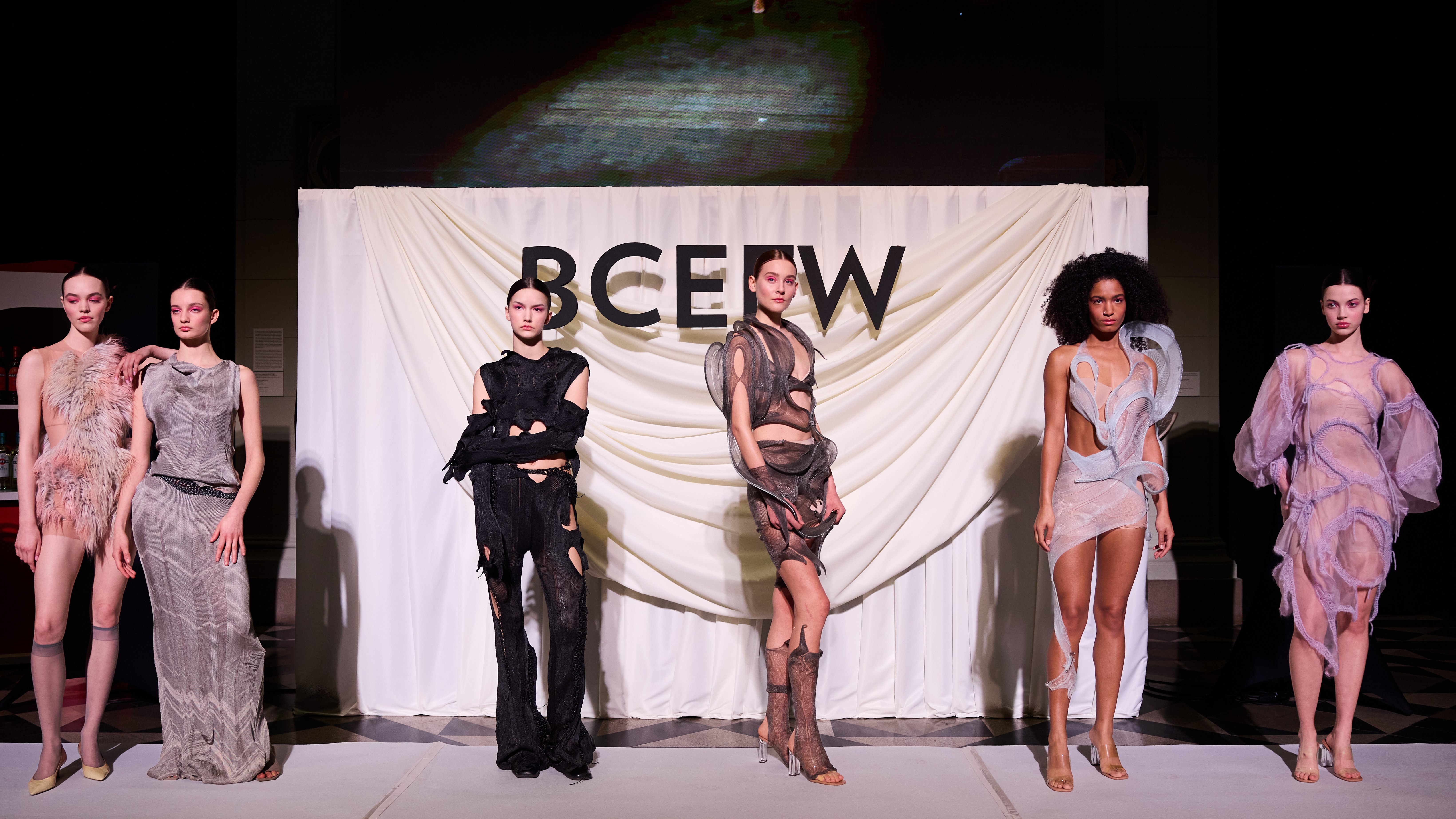
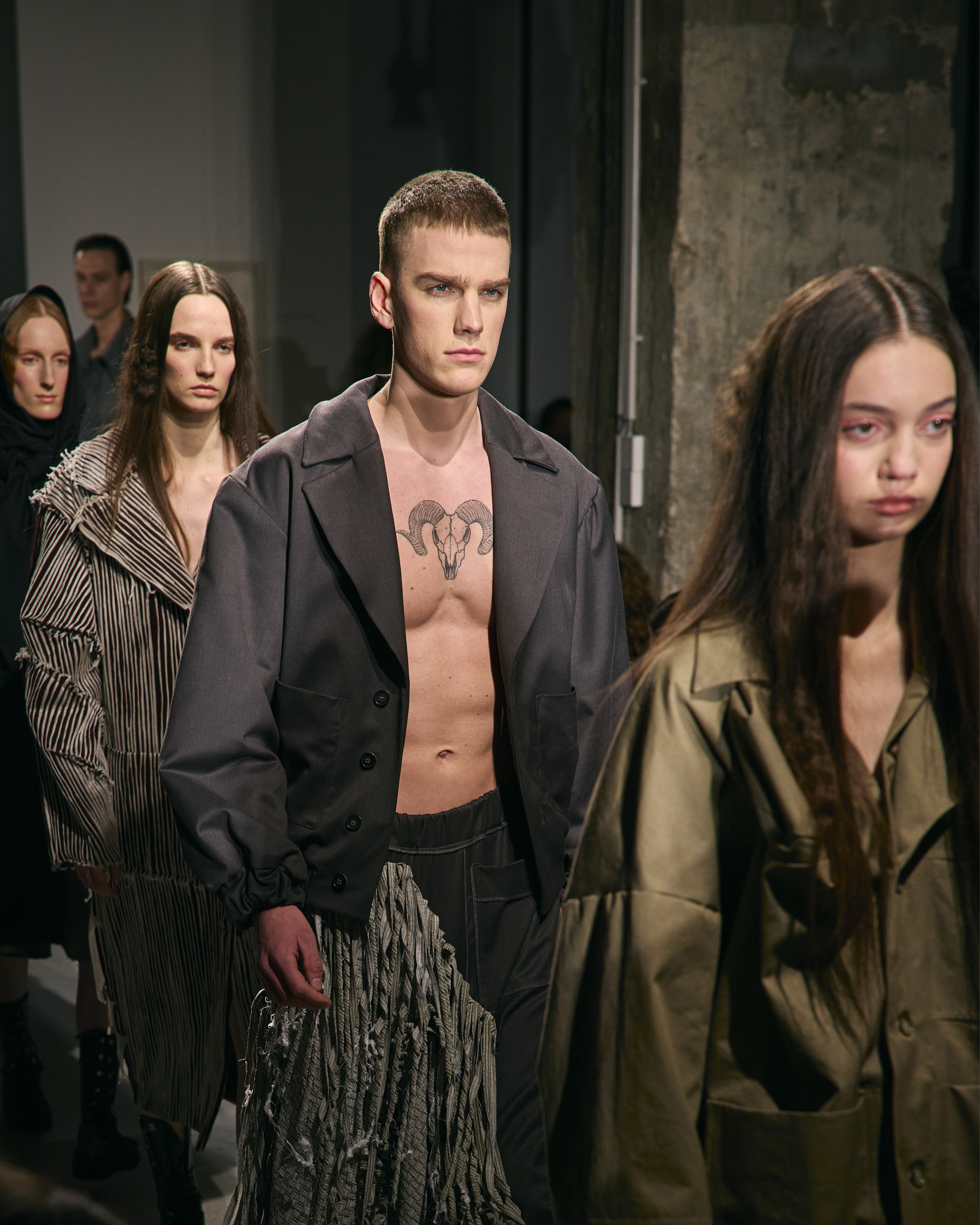
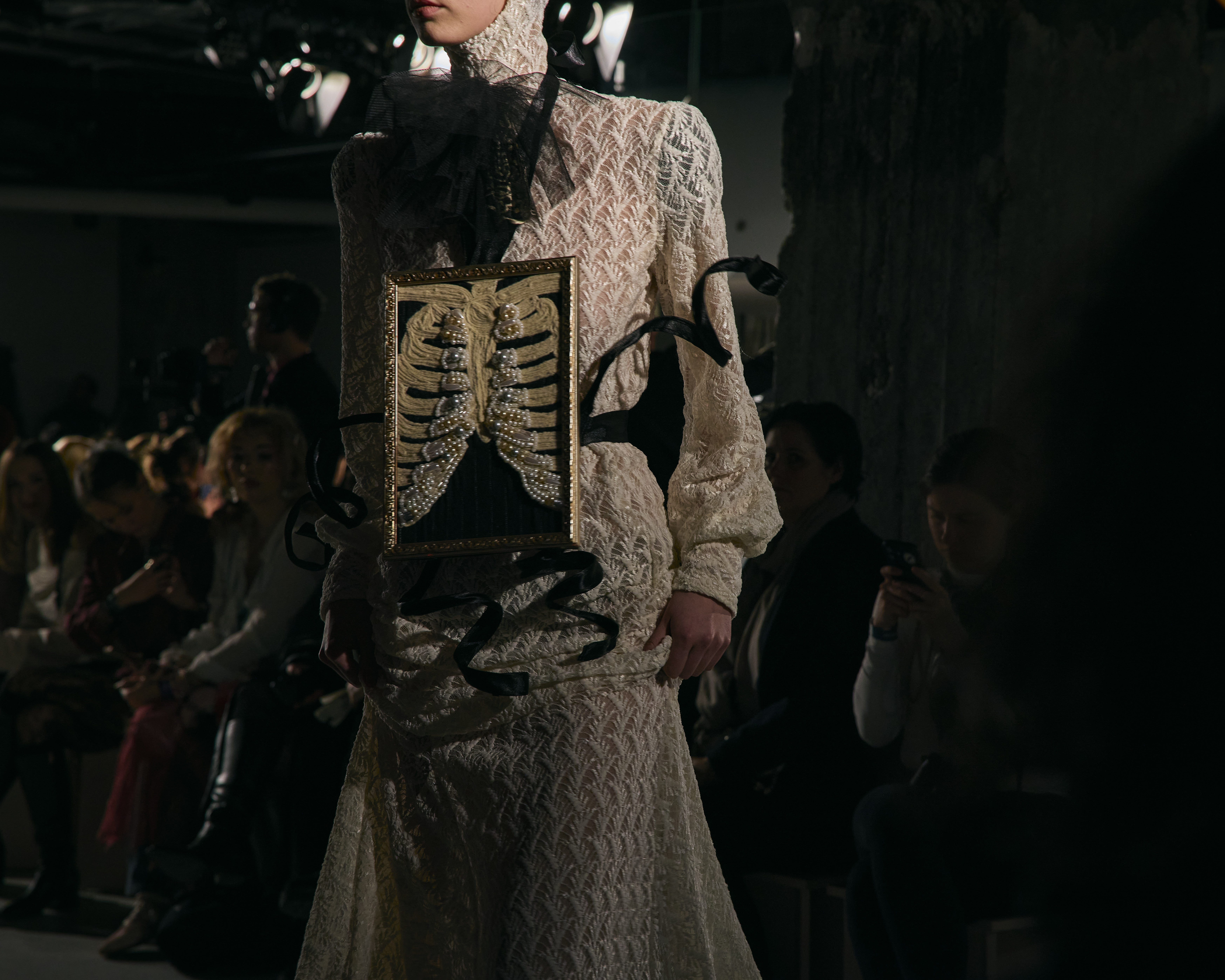
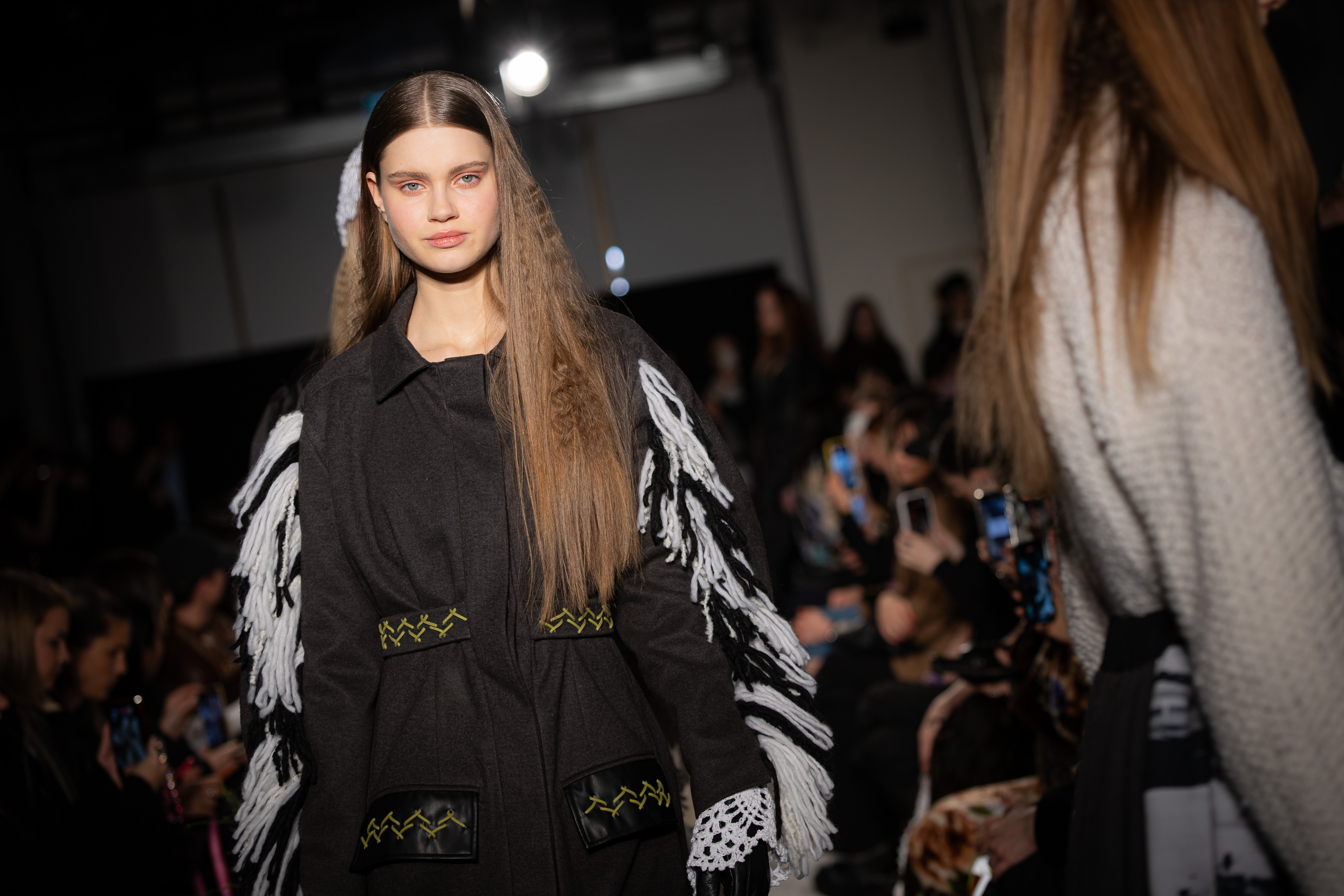
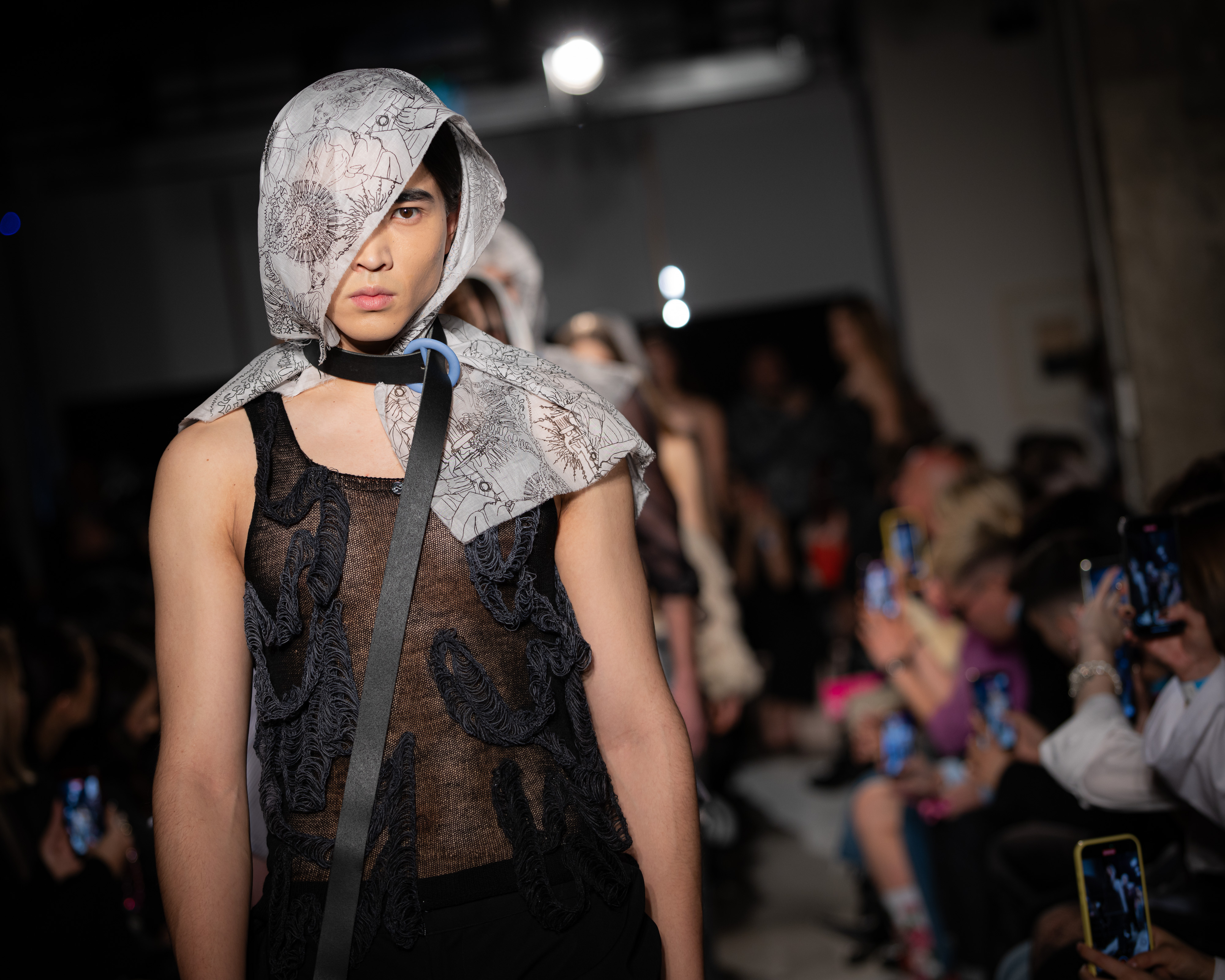
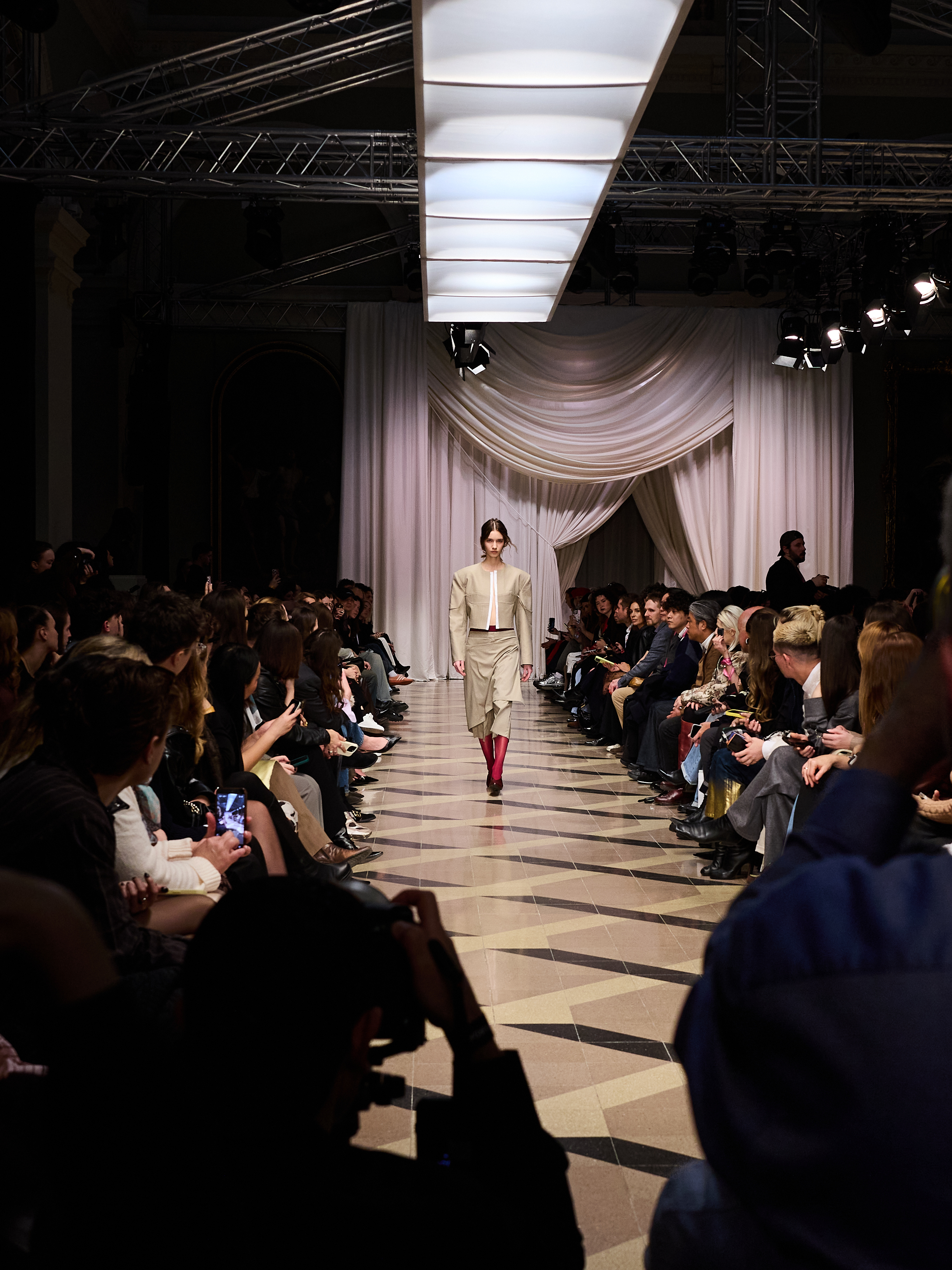
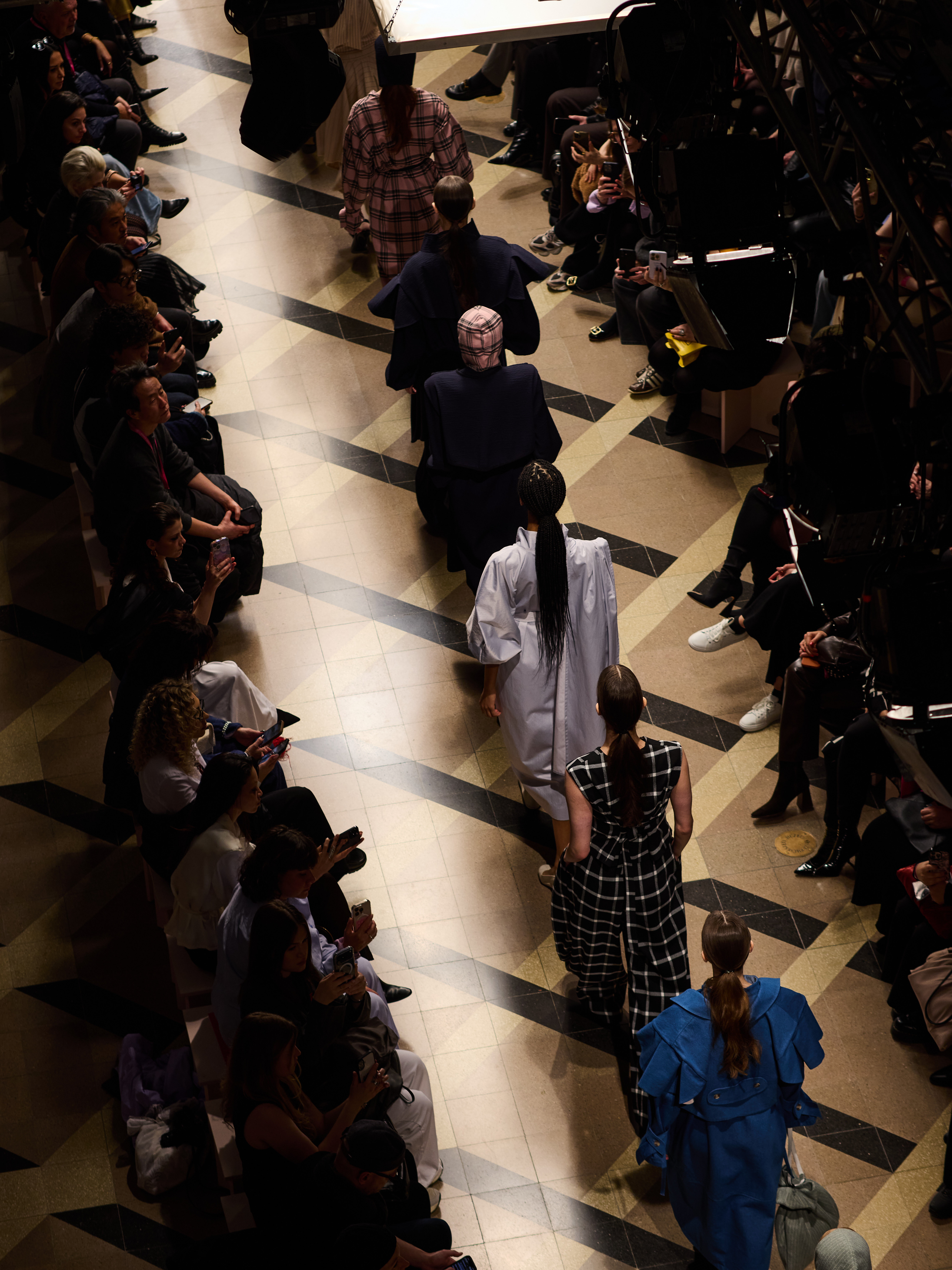
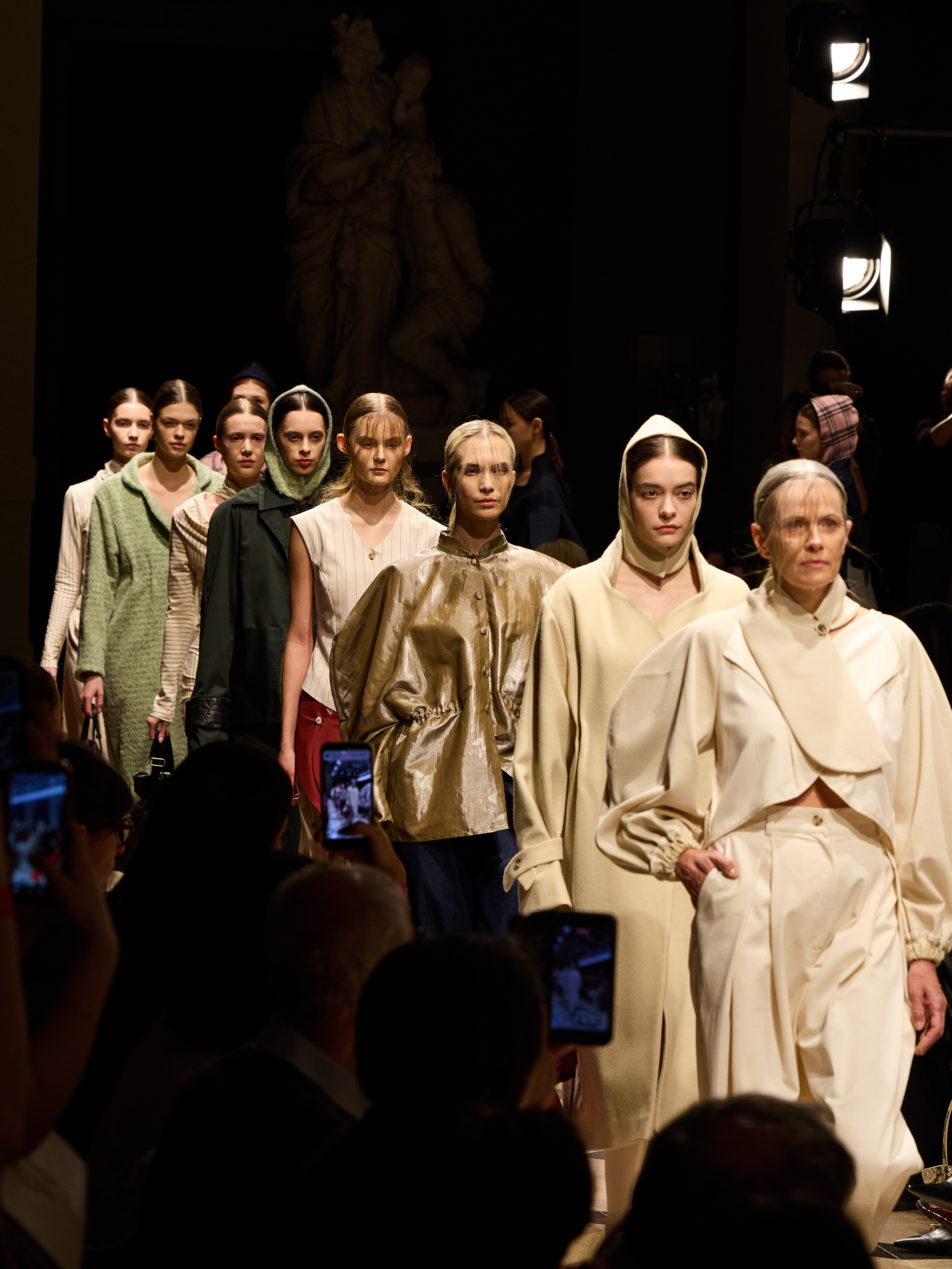
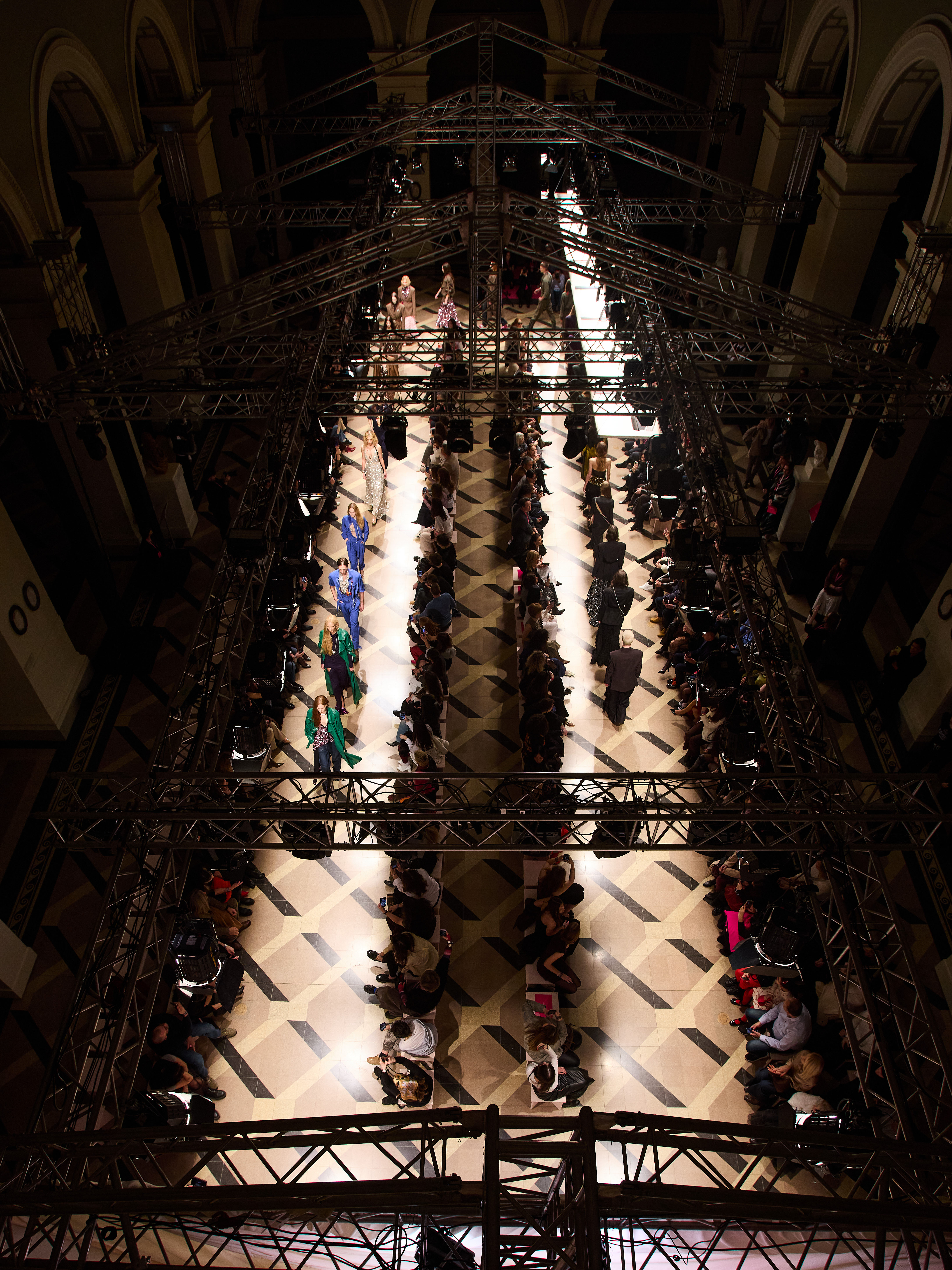

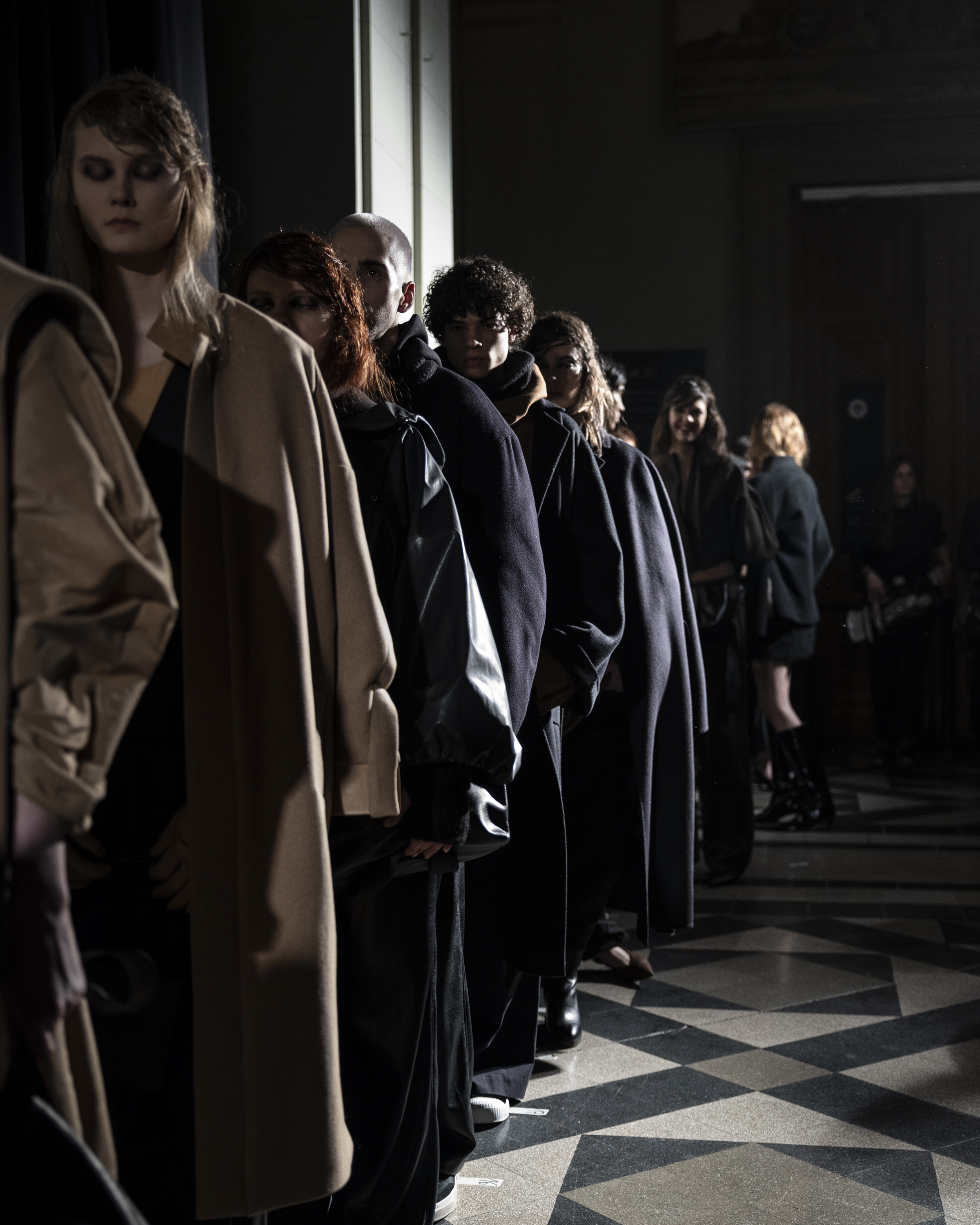
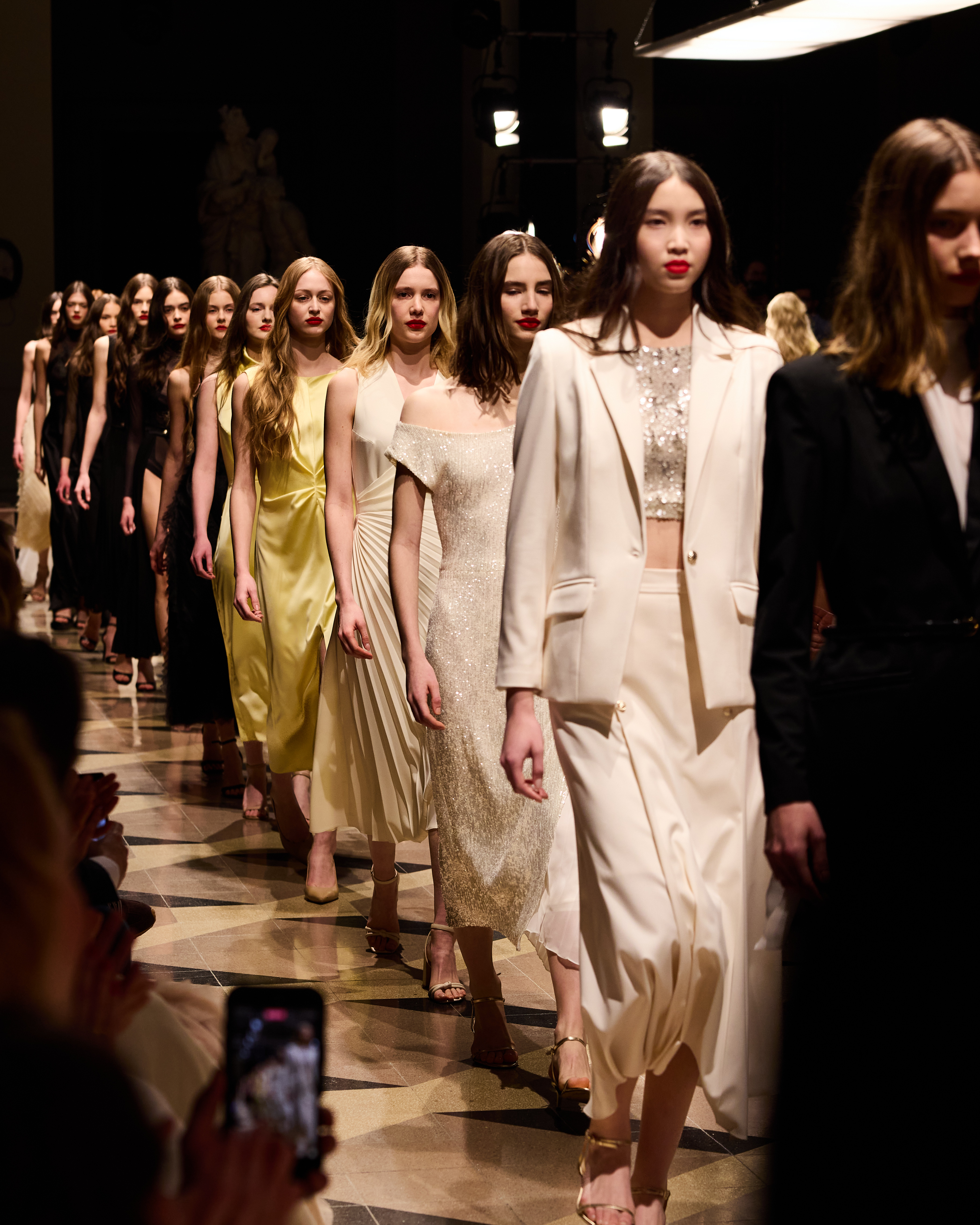
Budapest, 18 February 2026 – In February, the Hungarian capital once again became the hub of the Central European fashion industry. At the 17th edition of Budapest Central European Fashion Week (BCEFW), more than 40 designers unveiled their collections, with buyers, influencers, and industry experts from 12 countries in attendance. Organised by Creative Hungary, the event series further reinforced Budapest’s regional role with more than 50 side events, six international collaborative partners, 20 vocational education institutions and over 5,500 visitors.
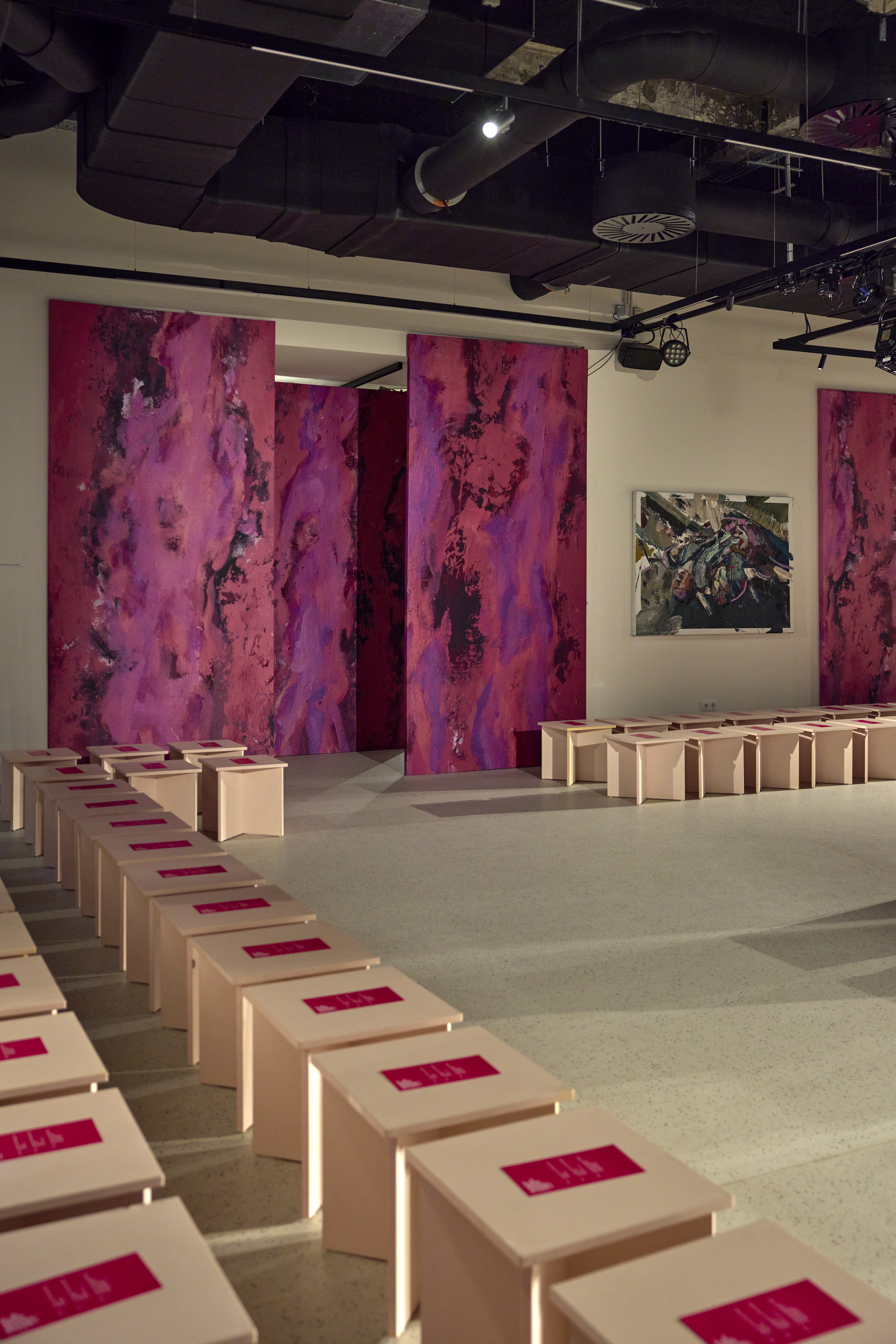
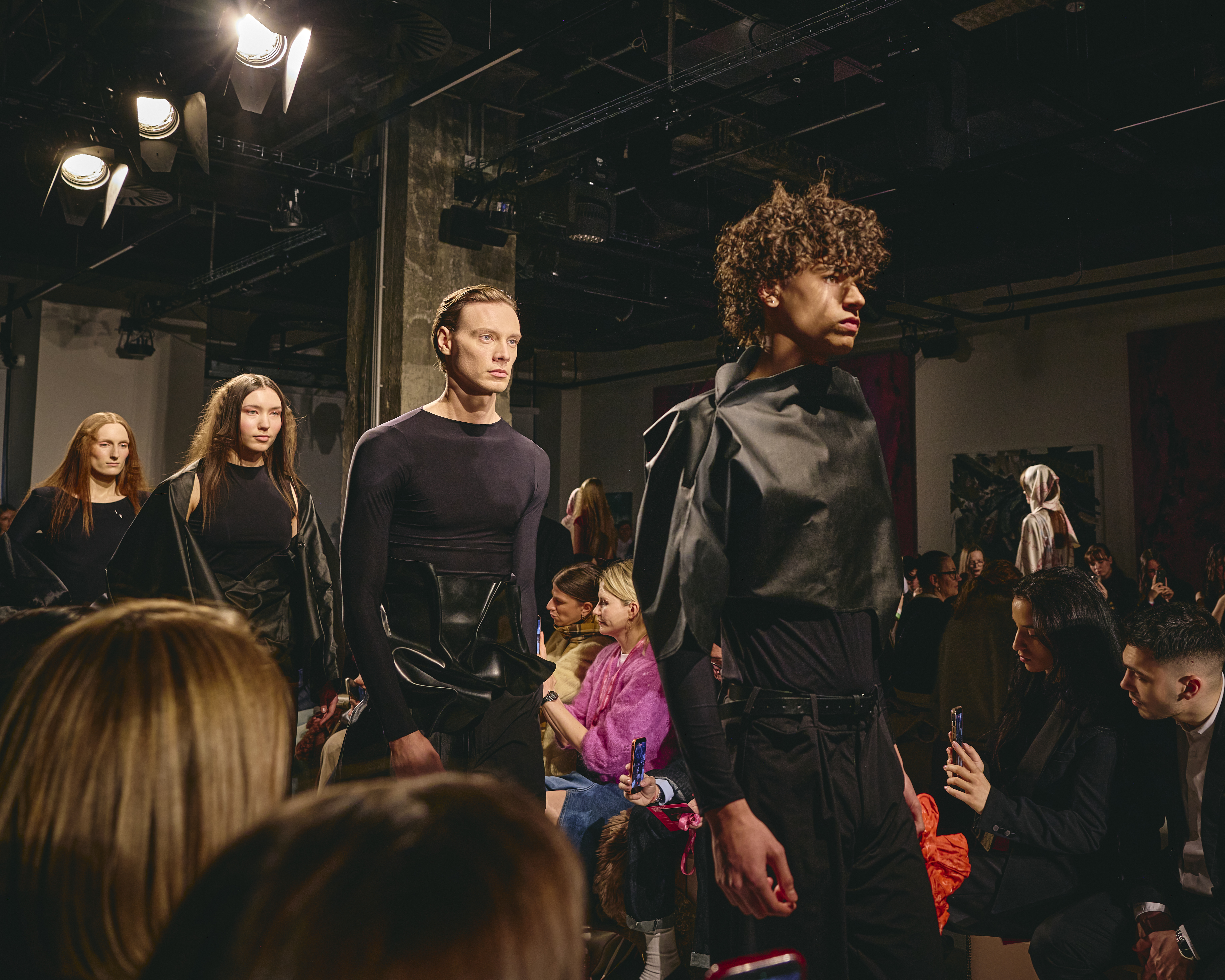
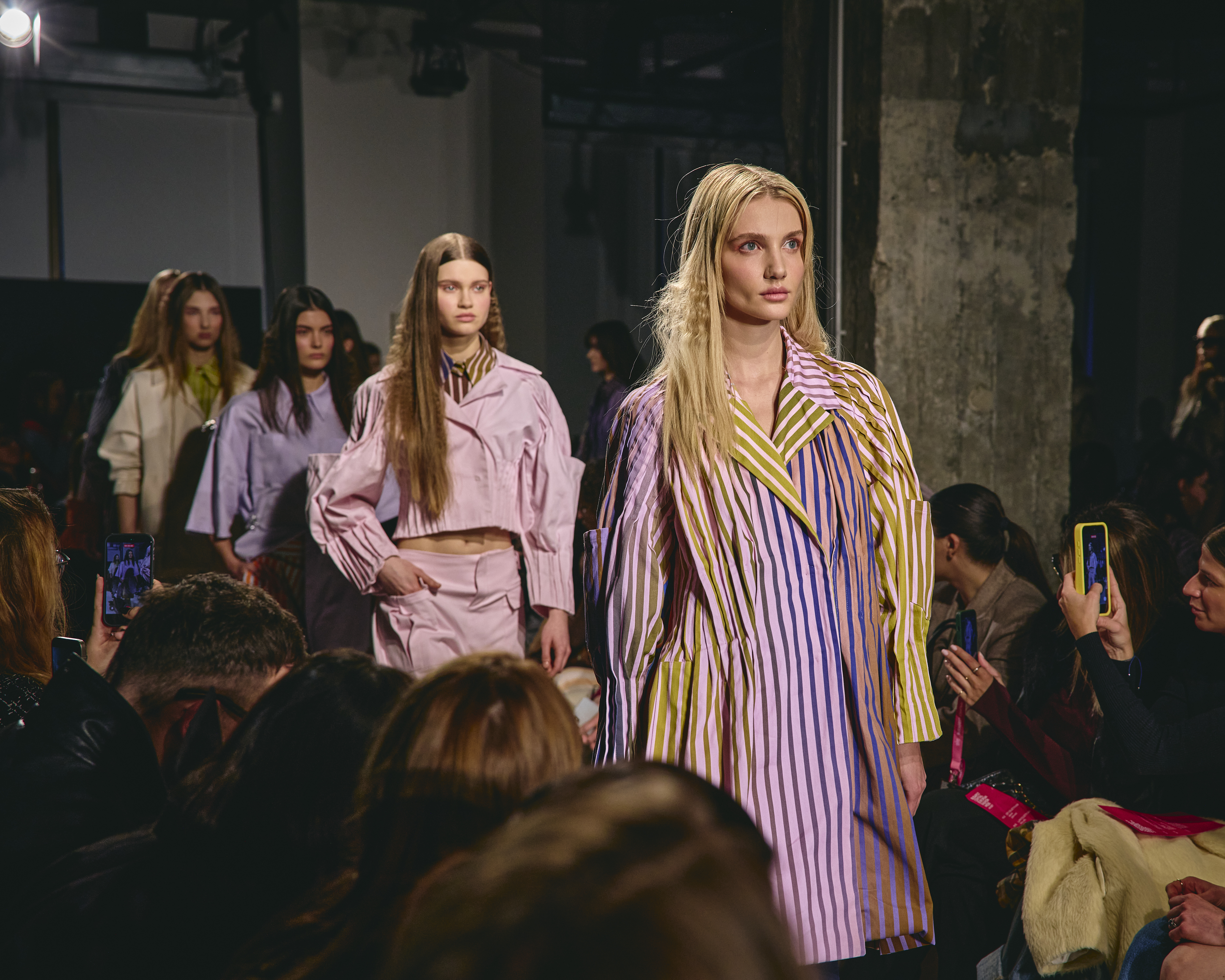
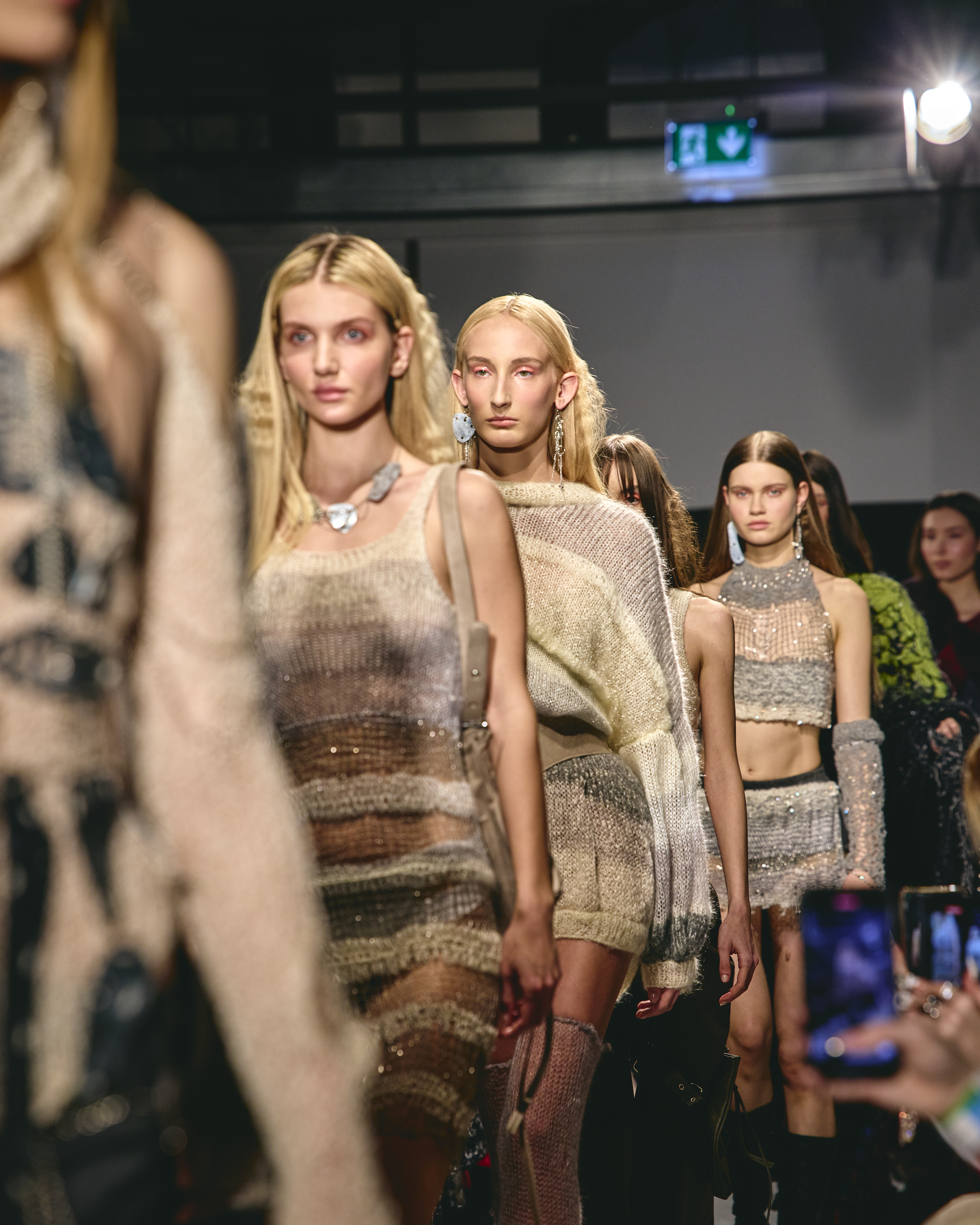
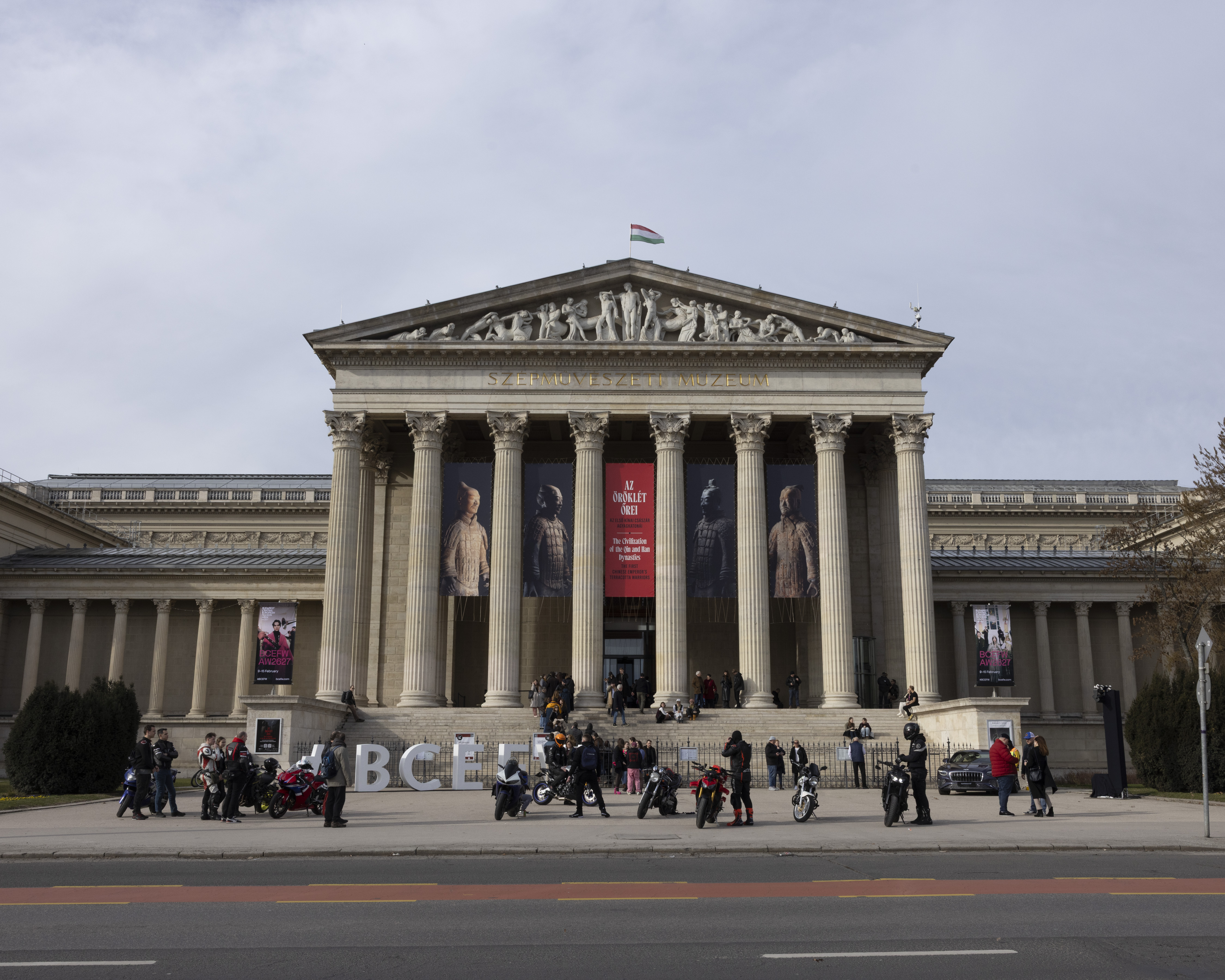
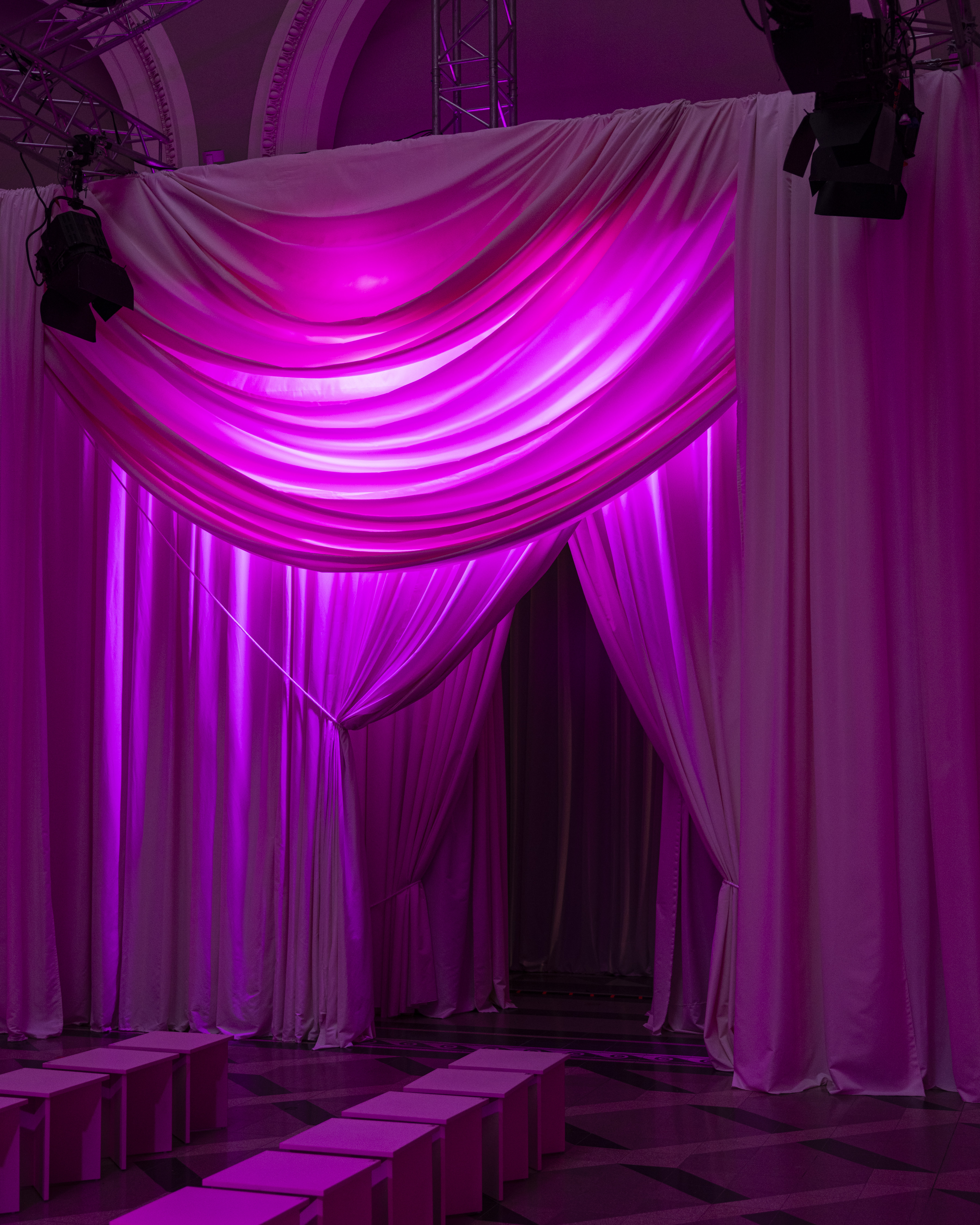
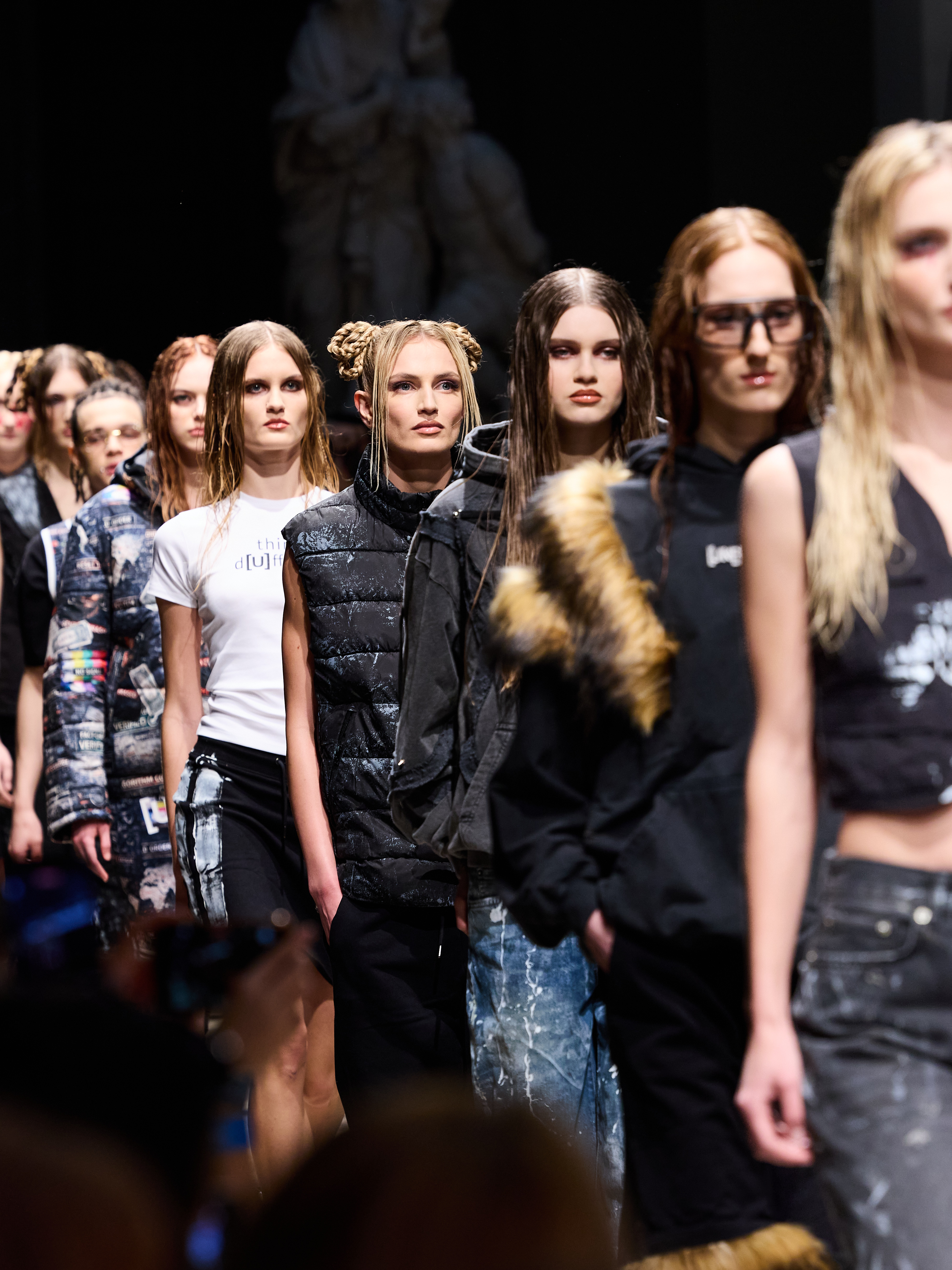
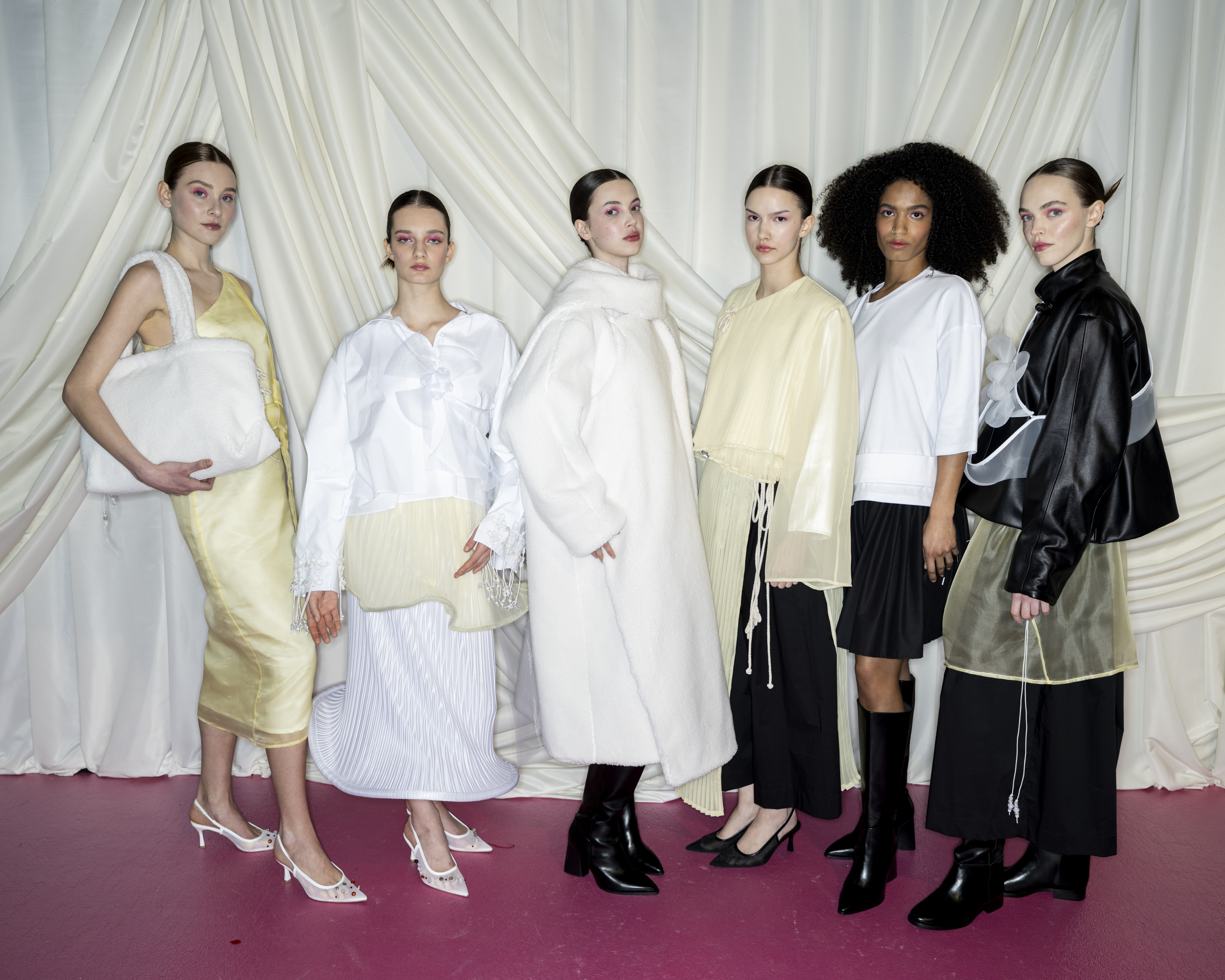
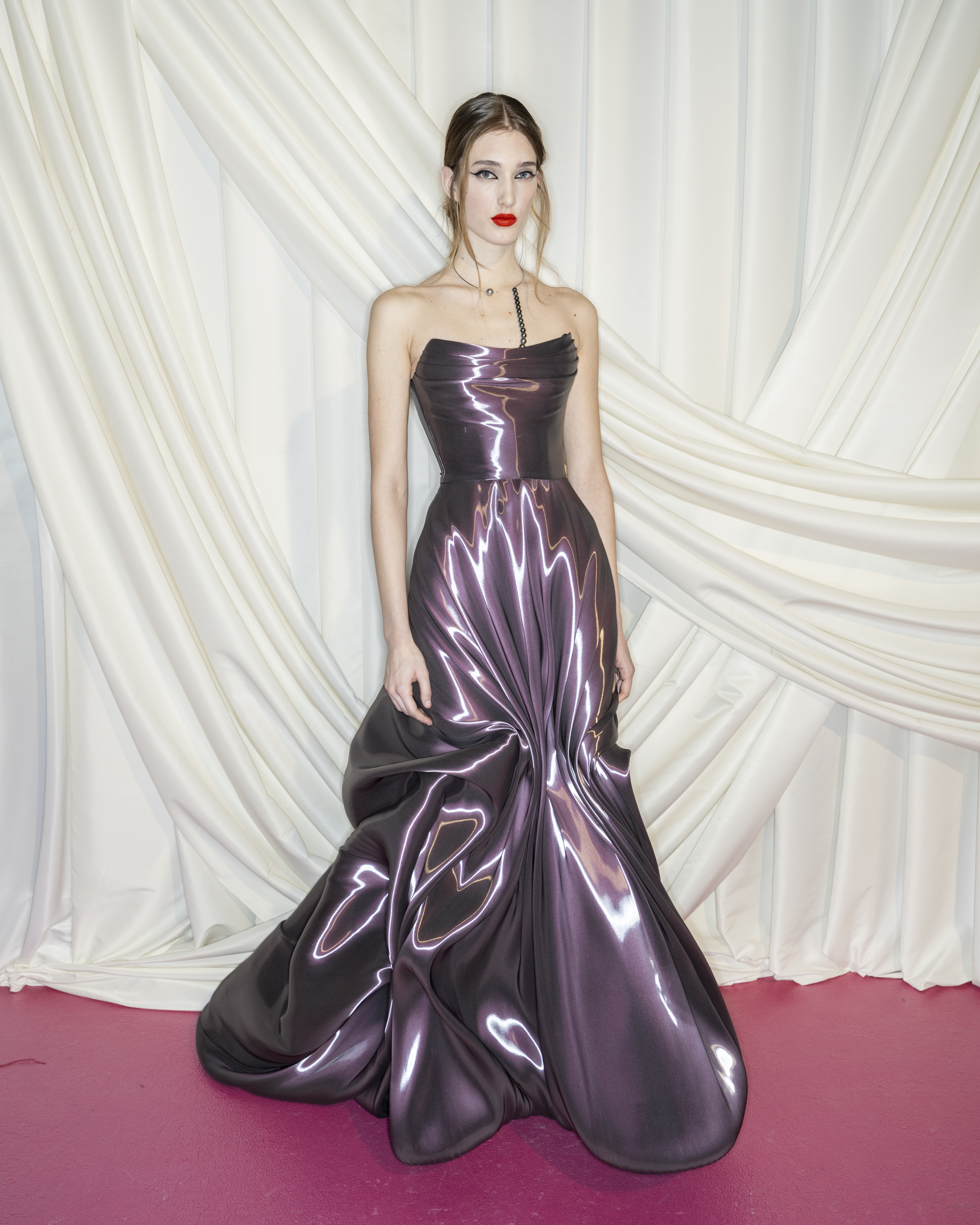
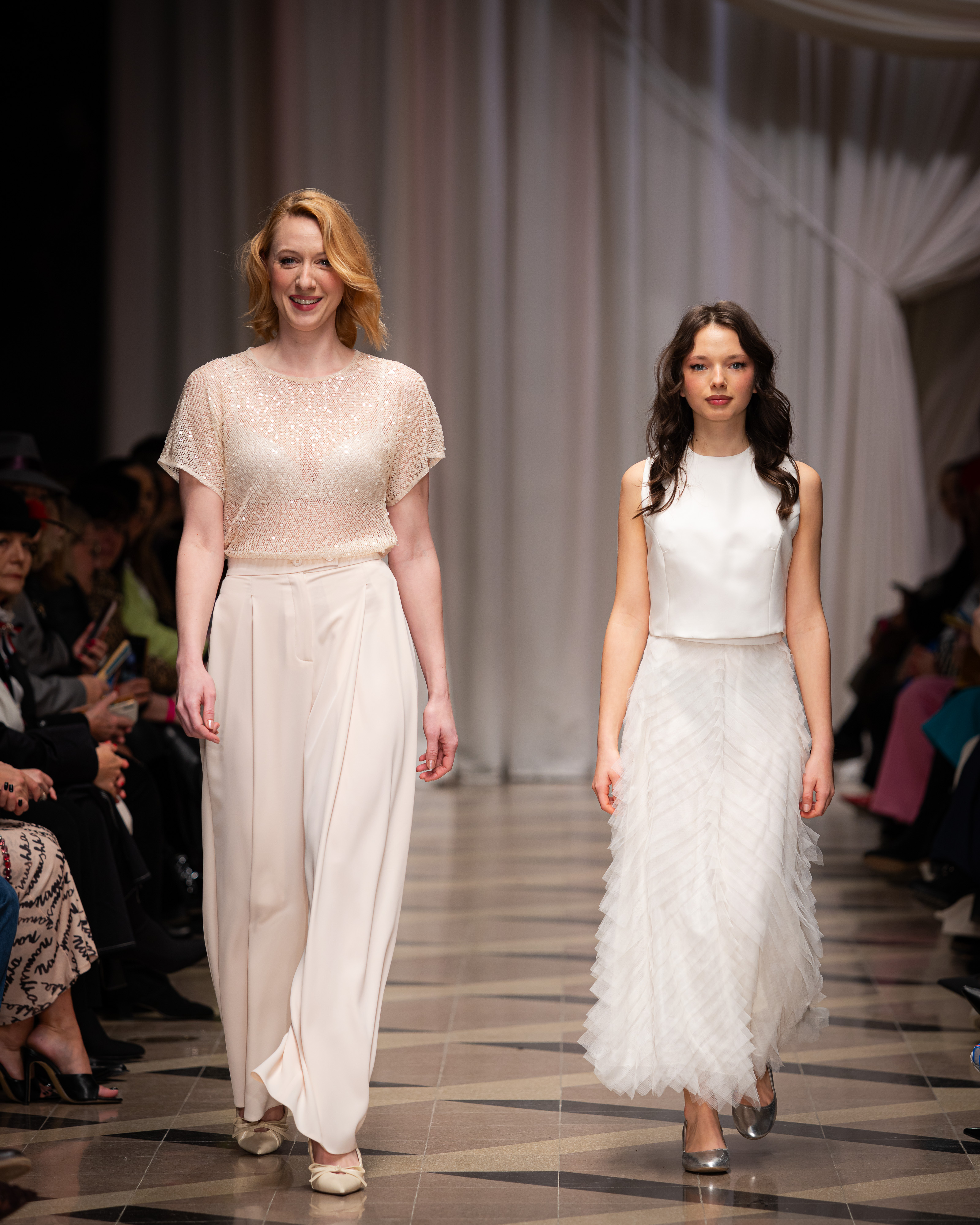
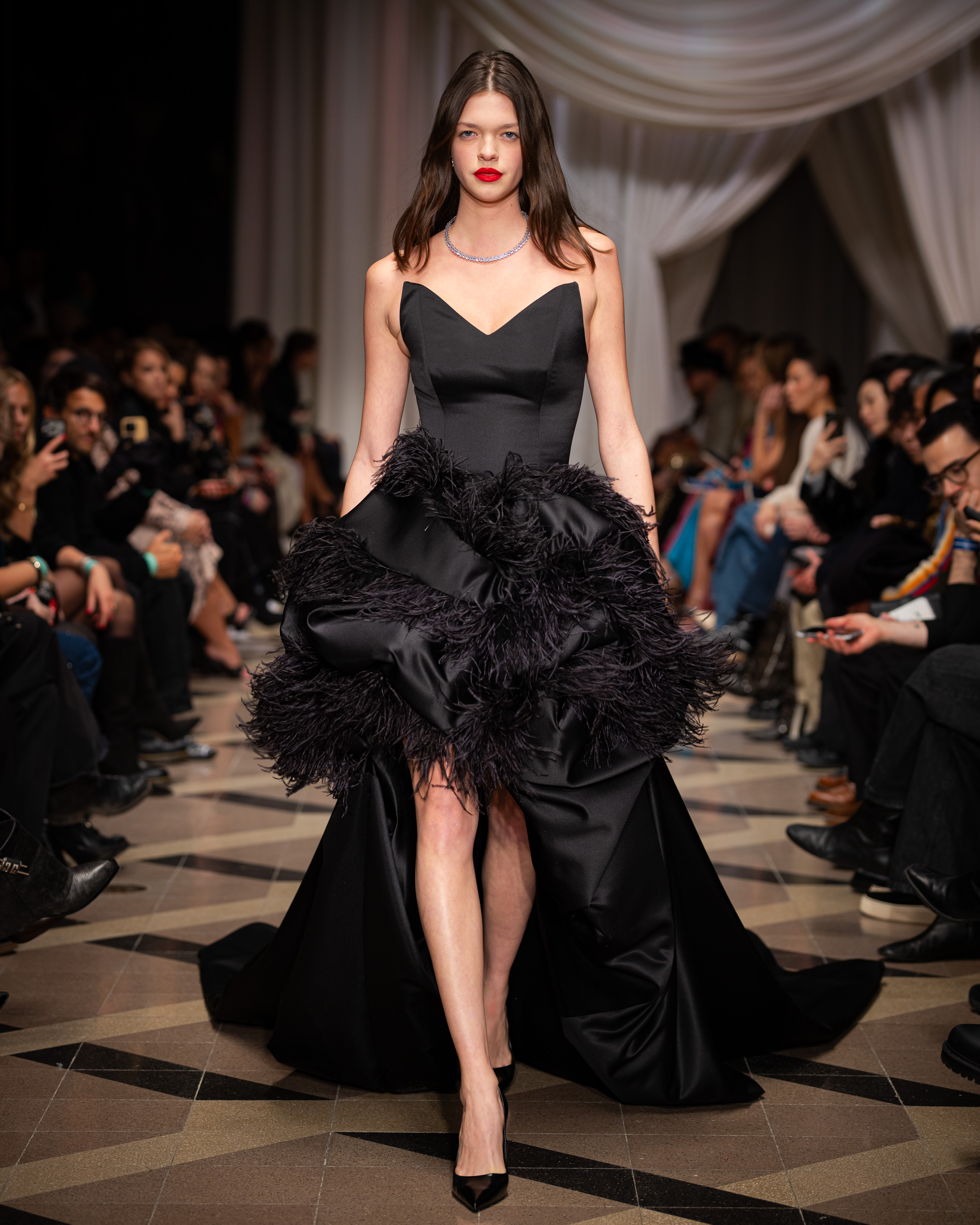
The main shows and presentations took place in key cultural spaces in Budapest. On Friday, Apollo Gallery’s contemporary art setting provided a platform for the fresh visions of emerging Hungarian and regional designers, brought to life amidst the embrace of József Gaál’s monumental paintings. On Saturday and Sunday, the collections of established domestic and international brands took centre stage in the prestigious spaces of the Museum of Fine Arts. The programme of the 17th BCEFW featured, alongside Hungarian designers, two Czech, four Slovakian, three Polish, three Slovenian, two Ukrainian, as well as one Serbian, one Armenian, and one Romanian designer, all of whom received the opportunity to present their work. The regional focus was especially significant this year, as Creative Hungary collaborated with six international professional organisations – Czech Fashion Council, Ljubljana Fashion Week, Slovak Fashion Council, Ukrainian Fashion Week, Belgrade Fashion Week, and Mercedes-Benz Bucharest Fashion Week partner organisations – to provide mutual showcasing opportunities for Hungarian and regional brands.
Over the weekend, 30 international buyers, influencers, and journalists from 12 countries attended the event, gaining first-hand insight into Hungarian and regional collections, while also experiencing a taste of Budapest’s cultural heritage. Prestigious international media outlets attended the event, including Vogue Adria, Vogue Ukraine, and Vogue Czech; ELLE Serbia, ELLE Japan, and ELLE Czech; as well as Twój Styl, TOP Fashion, and GQ Poland. In addition, 170 journalists and photographers from 75 domestic and international media outlets covered the latest collections. Millions more experienced the unique pieces by Hungarian and regional brands through BCEFW’s official online social media channels.
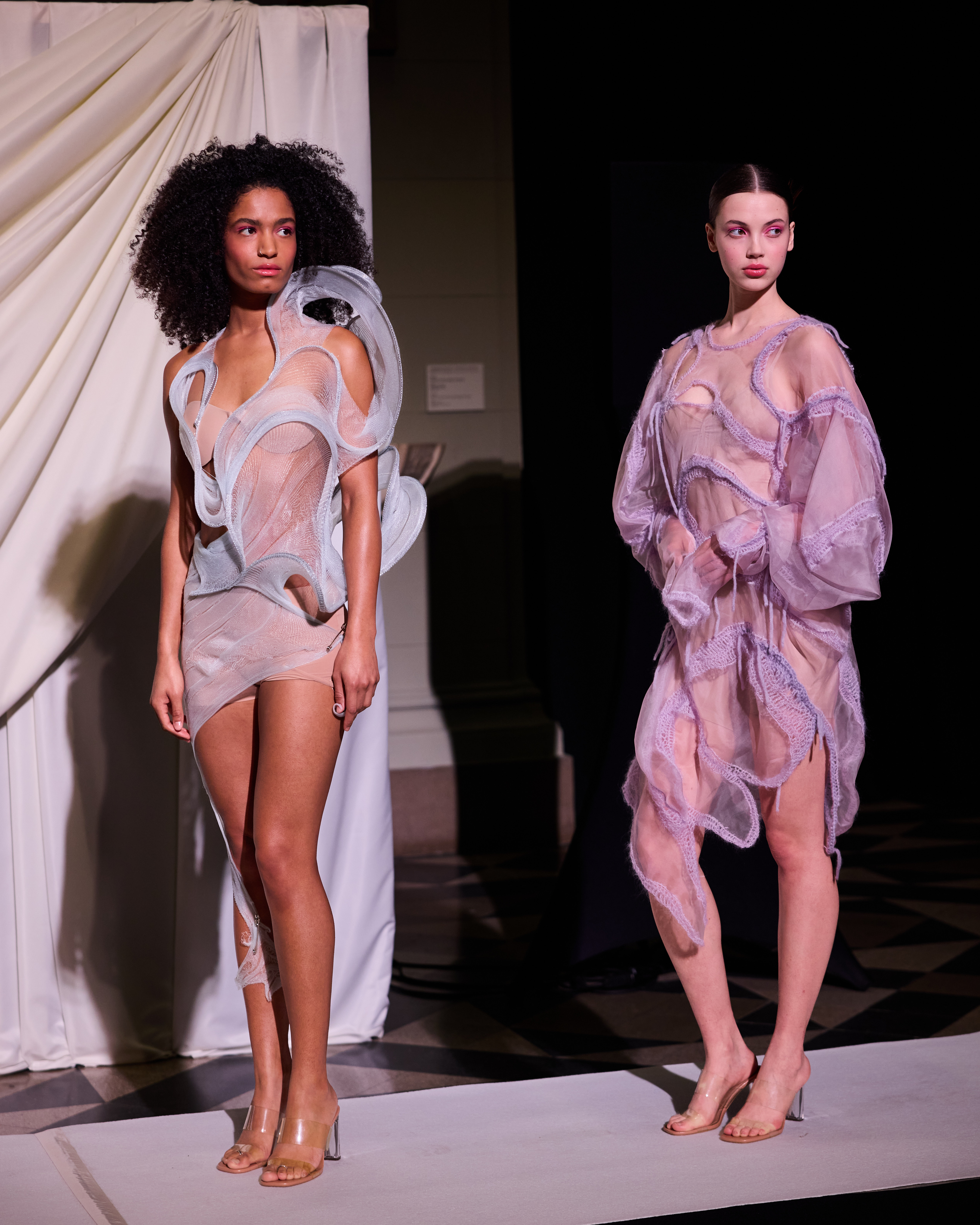
The structure of the weekend programme also reflected the AW2627 season’s talent-development focus. Over the past 16 seasons, BCEFW has supported the debut of hundreds of emerging talents, with young designers accounting for nearly 60 per cent of the full repertoire. This mission was further strengthened by a new initiative in the 17th season, the New Generation Individual Show category, which allowed two young brands, Chokassy and Valentin Szarvas, to present their collections independently. The programme was created for designers who have outgrown the framework of collective shows and, this season, were able to present their collections as standalone productions based on their own creative concept. The new generation also played a highlighted role in the exhibition space on Sunday, with three young designers showcasing their creations in a presentation format in the afternoon block. Beyond the runway and presentations, talent nurturing continued in the audience as well, where 185 students and instructors from 20 vocational institutions gained first-hand insight into the world of contemporary fashion. Since 2020, each season hundreds of students and instructors from arts education, as well as tailoring and dressmaking trainees, enrich the audience.
“The Central European region can remain competitive only if it thinks in terms of collaboration and enters the international market through joint platforms. Our task is to create professional and business structures that connect regional players and provide real export opportunities for designers. Over the past 17 seasons, Budapest Central European Fashion Week has built an infrastructure that goes beyond the runway: it is not only a cultural event but also a commercially stable, internationally recognised platform that fosters connections, supports market entry, and strengthens the region’s creative exports in the long term,” emphasised Zsófia Jakab, CEO of Creative Hungary and Ministerial Commissioner for Creative Industry Development and Sectoral Coordination.
Among the guests, more than 100 exclusive red-carpet attendees appeared in Hungarian designers’ creations, including Csinszka, Boglárka Kapás, Linda Király, Vivien Mádai, Nóra Ördög, Bori Péterfy, Barbara Schoblocher, Éva Szentesi, Dóra Szinetár, Ádám Telegdy, Nóra Trokán, Milán Valkusz, Virág Vass, as well as Evelin Verrasztó and Zséda. As in the past two seasons, models and fashion industry figures who play a significant role in the history of Hungarian fashion—such as Ganna Smugilova, Myra Cseh, Krisztina Bútor, Andrea Horváth, Edina Kátai-Pál, and László Hajas—were also invited to elevate the final show as fashion icons. French hairstylist Kevin Jacotot created the hair concepts for the shows, whose exceptional expertise and experimental, contemporary vision contributed to the success of the runway presentations and styling.
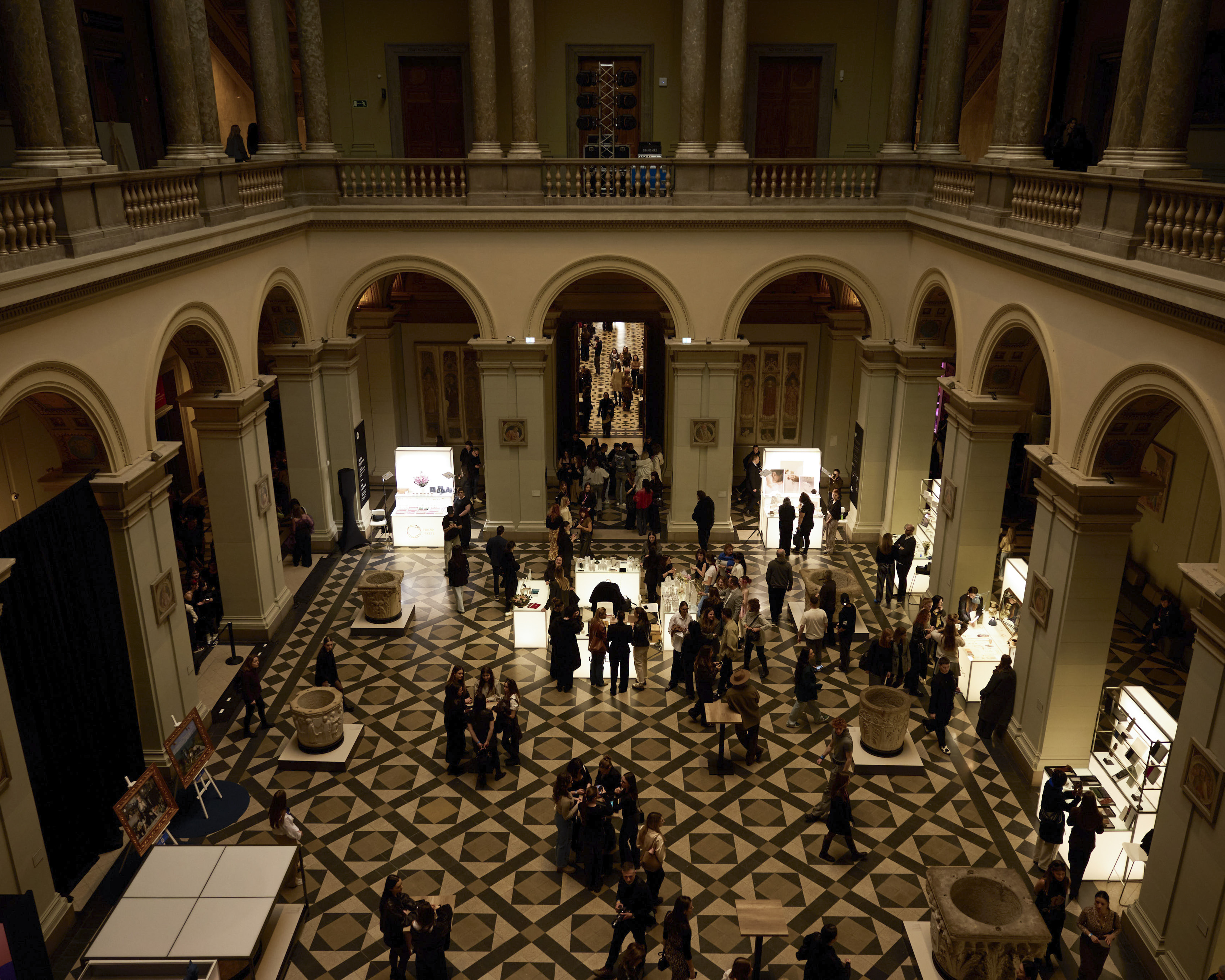
The rich programme offer of Fashion Hub came to life in the Schickedanz Hall in the Museum of Fine Arts, welcoming hundreds of visitors over the weekend. Attendees could participate in five beauty- and fashion-focused workshops, three fashion-themed roundtable discussions, and an inspiring talk where leading Hungarian personalities shared their expertise, including Kata Szegedi, Andrea Gere, László Hajas, and Dalma Etter, as well as brands such as DRK. Workshop experiences ranged from craft sessions by Mittersisters and aromatherapy with CREEM to trend-colour insights from Estée Lauder, a print lab led by Flóra Poprádi, and facial yoga with AMFISA. The ground-floor Renaissance Hall also functioned as a design fair, where guests could browse the jewellery, beauty products, and fashion accessories of ten domestic brands during the breaks. Meanwhile, in the city centre, a dedicated sales-incentivising showroom offered international retailers the opportunity to explore market-ready pieces previously seen on the runway and to initiate individual business negotiations.
This year, fashion week was extended through more than 50 side events in Budapest. Galleries, design stores, creative workshops, cultural institutions, and studios joined the BCEFW programme throughout the week, with side events highlighting craftsmanship, material use, object culture, and sustainability. For creative and beauty industry stakeholders, the Creative Forum and Creative Academy provided lectures rich in practical knowledge and industry insights.
Featured brands – catwalks, presentations, and exhibitors: https://bcefw.com/brand
Side events: https://bcefw.com/side-events
Fashion HUB programme: https://bcefw.com/fashion-hub
Budapest Central European Fashion Week
Since its founding in 2018, Creative Hungary (formerly the Hungarian Fashion & Design Agency) has organised Budapest Central European Fashion Week twice a year, establishing it as the region’s premier fashion event. For many years, the event has been the number one meeting point between the broad audience, buyers, designers, influencers and domestic and international media in the region. Hungarian fashion and design industry events increase the country’s tourist attraction and national economic growth, provide visibility for Hungarian brands, and result in international orders.
Creative Hungary
Creative Hungary was founded in 2018 under the name Hungarian Fashion & Design Agency to support all actors in the fashion and design industries in an efficient and structured manner, following predetermined strategic pillars: professional coordination, enhancing Hungarian brands’ availability and trade opportunities, educational development and manufacturing development. In line with global trends, the boundaries between individual creative industries have expanded in recent years, with cross-disciplinary collaborations becoming increasingly important. In response to industry and technological changes, the Organisation’s scope of activities expanded in 2025. Today, Creative Hungary serves as the highest-level coordinating organisation of the Hungarian creative industry, encompassing the fashion and textile industries, furniture manufacturing and product design, offline and online game design, and the beauty and personal care industries. Its primary tasks include strategic cooperation with professional partners, increasing exports, and supporting Hungarian brands’ professional development through mentorship programmes. It is responsible for organising the region’s flagship fashion event, Budapest Central European Fashion Week, Budapest Design Week, and the 360 Design Budapest exhibition, which has received international awards. Additionally, it provides Hungarian creators with opportunities to participate in and debut at international professional events, including Milano Fashion Week and the Maison & Objet design fair.
Sajtóközlemény
DOCX
929 kB
Fotókredit: CH / Darkroom Productions